
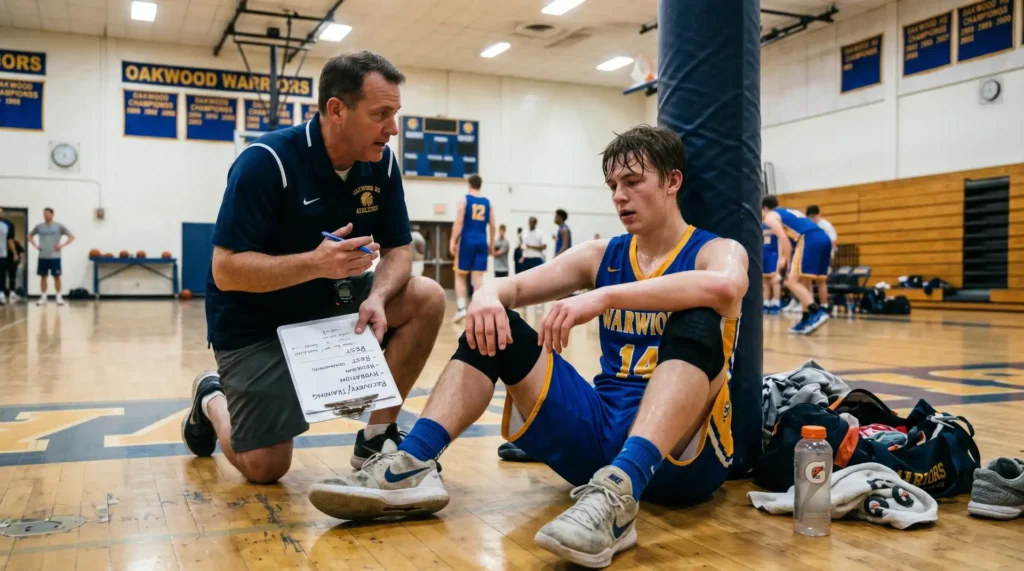
Youth sports play an important role in helping children and teenagers stay active, develop confidence, and build lifelong healthy habits. Participation in sports can improve physical fitness, teach discipline, and create opportunities for teamwork and personal growth. Across the United States, millions of young athletes participate in school sports, club teams, travel leagues, and recreational programs every year.
While athletic participation offers many benefits, increased competition and year-round training have also created new challenges. More young athletes are training at higher intensities and for longer periods than ever before. Some participate in multiple leagues simultaneously, while others specialize in a single sport at a very young age. Although dedication and hard work are valuable qualities, excessive training without proper recovery can have serious consequences.
One of the biggest concerns facing youth athletes today is overtraining. When training demands exceed the body’s ability to recover, physical and mental fatigue can begin to accumulate. Left unaddressed, overtraining may lead to injuries, declining performance, emotional exhaustion, and ultimately burnout.
Understanding the signs of overtraining in young athletes can help parents, coaches, and athletes recognize problems early and create healthier approaches to sports participation.
What Is Overtraining in Young Athletes?
Overtraining occurs when an athlete participates in more physical activity than their body can effectively recover from. Every workout creates stress on muscles, joints, bones, and the cardiovascular system. During periods of rest and recovery, the body repairs itself and adapts to become stronger.
Problems begin when recovery time becomes inadequate. Instead of adapting positively, the body remains under continuous stress. Fatigue starts to build, performance begins to decline, and injury risk increases.
Young athletes are particularly vulnerable because their bodies are still growing and developing. Unlike adults, children and teenagers must balance athletic demands with school, social activities, family responsibilities, and normal physical growth. All of these factors require energy and recovery resources.
Overtraining does not happen overnight. It typically develops gradually over weeks or months. Athletes may initially experience minor symptoms that seem harmless. However, if training continues without adjustments, those symptoms can become more serious and begin affecting both athletic performance and overall well-being.
Why Overtraining Is Becoming More Common
Several factors have contributed to the rise of overtraining among youth athletes in the United States.
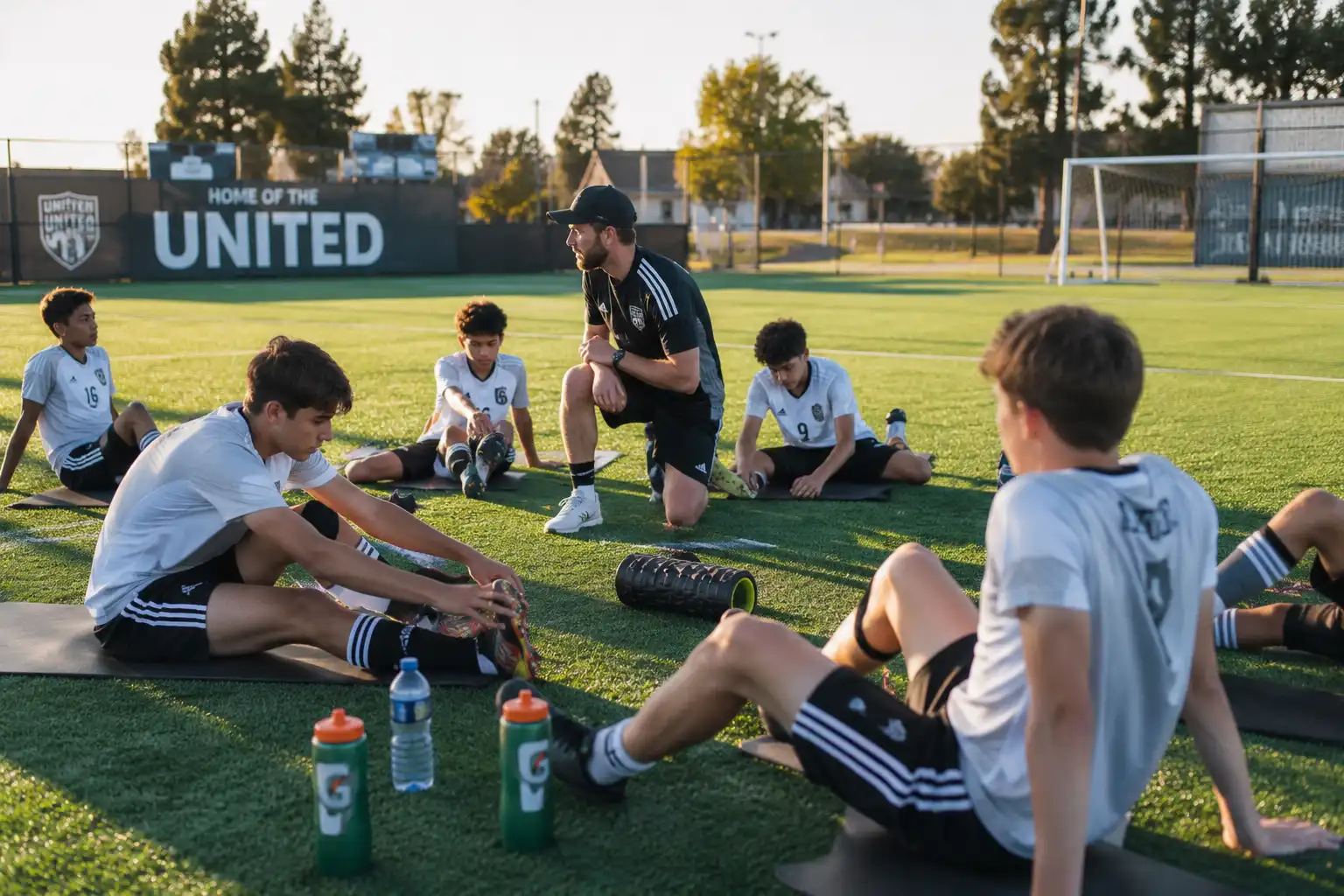
One major factor is the growing trend of sports specialization. Many young athletes focus exclusively on one sport throughout the year in hopes of gaining a competitive advantage. While specialization can help athletes develop sport-specific skills, it often reduces opportunities for recovery and exposes the same muscles and joints to repetitive stress.
Another contributing factor is increased competition. Families may feel pressure to pursue athletic scholarships, elite teams, or future collegiate opportunities. As a result, young athletes often participate in additional training programs, private coaching sessions, and travel competitions.
The popularity of club sports has also changed the athletic landscape. Many athletes compete for school teams while simultaneously participating in club programs. This can create nearly year-round competition schedules with few opportunities for rest.
Technology and social media may also contribute to overtraining. Young athletes frequently compare themselves to elite performers online and may feel pressure to train harder in order to keep up with perceived expectations.
Although training is essential for athletic improvement, recovery is equally important. Without adequate recovery, the body eventually reaches a point where additional training produces negative outcomes rather than positive results.
Physical Signs of Overtraining That Parents Should Watch For
One of the earliest signs of overtraining is persistent fatigue. Young athletes naturally feel tired after intense practices or competitions, but that fatigue should improve with proper rest. When exhaustion becomes constant and does not improve after a few days of recovery, it may indicate that the body is struggling to keep up with training demands.
Athletes experiencing overtraining often report feeling drained throughout the day. They may have difficulty waking up in the morning, feel sluggish during school, or struggle to maintain energy during practices.
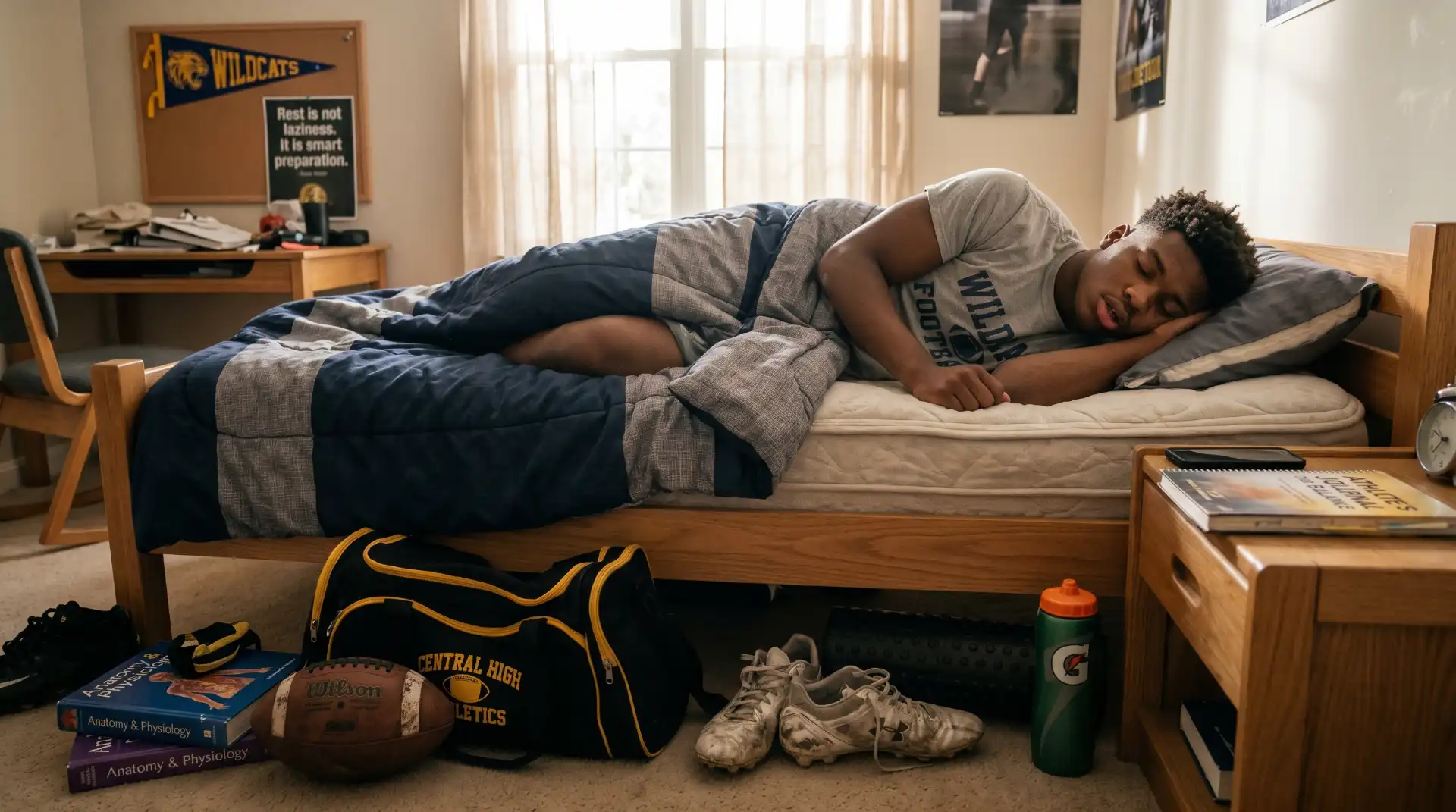
Another common warning sign is declining athletic performance. Many people assume that more training automatically leads to better results. In reality, athletes who are overtrained often perform worse despite working harder. Running times may slow down, strength may decrease, and skills that once felt natural may suddenly become more difficult.
Frequent injuries are another major concern. Overworked muscles and joints are less capable of handling physical stress. Athletes who experience repeated strains, tendon irritation, stress fractures, or chronic soreness may be showing signs that their training load has become excessive.
Some young athletes also develop recurring illnesses. Intense training without proper recovery can place stress on the immune system, making it more difficult for the body to fight off common infections. Frequent colds or illnesses during a sports season may indicate that recovery needs are not being met.
Sleep disturbances are another important warning sign. Although athletes may feel physically exhausted, overtraining can actually interfere with healthy sleep patterns. Some athletes struggle to fall asleep, while others wake up frequently throughout the night. Poor sleep further limits recovery and creates a cycle that becomes increasingly difficult to break.
Emotional and Mental Signs of Athlete Burnout
The effects of overtraining extend far beyond physical symptoms. Mental and emotional changes often provide some of the earliest clues that an athlete may be struggling.
One common sign is increased irritability. Athletes who are normally positive and energetic may become frustrated more easily. Small setbacks can trigger unusually strong emotional reactions. Parents and coaches may notice mood swings or changes in attitude that seem out of character.
Motivation often begins to decline as burnout develops. Athletes who once looked forward to practices and competitions may begin finding excuses to avoid them. Activities that previously brought enjoyment may start to feel like obligations.
Another emotional warning sign is difficulty concentrating. Overtraining places stress on both the body and the brain. Athletes may struggle to focus during practices, games, or even academic activities. This lack of concentration can affect performance both on and off the field.
Feelings of anxiety may also increase. Young athletes who are overtrained sometimes become excessively concerned about performance outcomes. They may worry constantly about making mistakes or failing to meet expectations.
As burnout progresses, athletes may begin questioning whether they want to continue participating in sports at all. A complete loss of enjoyment is one of the clearest indicators that intervention may be necessary.
Burnout does not mean an athlete lacks dedication or commitment. In many cases, burnout occurs because highly motivated athletes push themselves beyond healthy limits for extended periods.
The Long-Term Effects of Overtraining
If overtraining continues without intervention, the consequences can extend far beyond a single sports season.
One of the most significant risks is chronic injury. Repeated stress on developing bones, muscles, and joints can create long-term problems that may affect athletic participation for years. Some injuries require extended recovery periods and may interfere with future athletic goals.
Mental health may also suffer. Prolonged stress, fatigue, and performance struggles can contribute to anxiety, depression, and reduced self-confidence. Young athletes often identify strongly with their sport, making performance challenges particularly difficult to navigate.
Overtraining may also lead talented athletes to leave sports entirely. Many young athletes who experience burnout decide to quit because the activity no longer feels enjoyable. This represents a loss not only for athletic development but also for the social and physical benefits sports can provide.
Research continues to highlight the importance of balanced athletic participation during childhood and adolescence. Long-term success often depends more on consistency and sustainability than on extreme training volumes at an early age.
How Parents and Coaches Can Help Prevent Burnout
Parents and coaches play a critical role in protecting young athletes from overtraining.
One of the most effective strategies is encouraging open communication. Athletes should feel comfortable discussing fatigue, soreness, stress, and emotional challenges without fear of disappointing others. Honest conversations make it easier to identify problems before they become serious.
Recovery should be viewed as a necessary part of training rather than a sign of weakness. Scheduling regular rest days allows the body to repair itself and adapt to training demands. Recovery is where much of the body’s improvement actually occurs.
Parents and coaches should also pay attention to overall workload. Sports participation does not occur in isolation. Academic responsibilities, social commitments, and family obligations all contribute to total stress levels. Monitoring the full picture can help prevent athletes from becoming overwhelmed.
Encouraging participation in multiple sports may also reduce injury risk and burnout. Different activities challenge the body in different ways, helping athletes develop a broader range of physical skills while reducing repetitive stress.
Most importantly, adults should emphasize enjoyment and personal growth rather than constant achievement. Athletes who feel valued regardless of performance outcomes often maintain healthier relationships with sports.
Building a Healthy Training and Recovery Plan
Creating a balanced approach to training is one of the best ways to support long-term athletic success.
Recovery begins with adequate sleep. Most teenagers require between eight and ten hou

rs of sleep each night, while younger children may need even more. Consistent sleep habits support muscle recovery, cognitive function, and emotional well-being.
Nutrition also plays a major role in recovery. Young athletes need sufficient calories to support both physical activity and normal growth. Balanced meals that include carbohydrates, protein, healthy fats, fruits, and vegetables help provide the nutrients needed for recovery and performance.
Hydration is another critical factor. Even mild dehydration can contribute to fatigue, reduced concentration, and decreased athletic performance.
Training plans should include variation throughout the year. Alternating periods of higher intensity with periods of lower intensity allows the body to recover while continuing to develop. Athletes also benefit from taking time away from organized sports during certain parts of the year.
According to guidance from the American Academy of Pediatrics, healthy sports participation should prioritize physical and emotional well-being while supporting age-appropriate development. Parents and coaches can learn more about youth athlete health at https://www.aap.org.
Conclusion
Overtraining has become an increasingly important issue in youth sports as training demands continue to rise. While hard work and dedication are valuable qualities, athletic development depends on more than simply spending additional hours practicing. Recovery, sleep, nutrition, and emotional well-being all play essential roles in long-term success.
Recognizing the signs of overtraining in young athletes can help prevent injuries, improve performance, and reduce the risk of burnout. Persistent fatigue, declining performance, frequent injuries, mood changes, and loss of motivation should never be ignored.
By creating balanced training schedules, encouraging open communication, and prioritizing recovery, parents and coaches can help young athletes enjoy sports while supporting healthy physical and emotional development for years to come.