
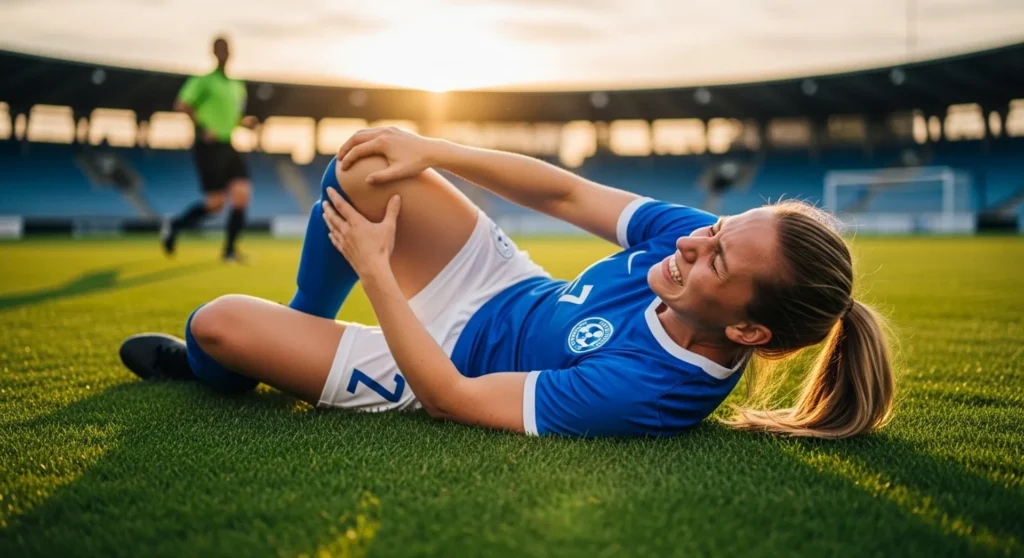
ACL injuries in female athletes are getting more attention in 2026, and for good reason. Across youth, high school, and college sports, families, coaches, trainers, and medical professionals are talking more openly about how devastating these knee injuries can be. A torn anterior cruciate ligament can end a season in seconds, but the impact often lasts far longer than one year. Recovery can involve surgery, rehabilitation, missed school time, missed recruiting opportunities, emotional stress, and a difficult return-to-play process.
For families trying to understand what happens after a serious sports injury, the conversation should go beyond treatment alone. It should also include prevention, supervision, return-to-play decisions, and whether someone’s negligence contributed to the injury. That is especially important on a website like Athletic Injuries, where athletes and families can learn more about injury-related legal concerns, read additional resources on the blog, and review more background on the team through the about page.
Why ACL Injuries in Female Athletes Are Trending in 2026
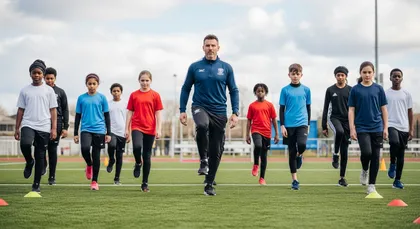
The reason this topic is trending is simple: more athletes are competing year-round, more parents are recognizing the seriousness of ACL tears, and more programs are being challenged to do better with prevention. In girls’ soccer, basketball, volleyball, lacrosse, and similar sports, ACL injuries often happen during cutting, pivoting, sudden deceleration, or awkward landings. These are common game movements, which makes the danger feel constant rather than rare.
Why female athletes face higher risk
There is no single explanation for why ACL injuries in female athletes happen so often, but experts keep pointing to a combination of risk factors. These include movement mechanics, neuromuscular control, lower-body alignment, muscle imbalances, fatigue, and the demands of repetitive competition. The result is that many female athletes are placed in high-risk positions during sports actions that happen every day in practice and games.
Noncontact movements are often the real danger
Many parents assume an ACL tear must come from a collision, but that is not always true. A large number of these injuries are noncontact. An athlete may plant her foot, rotate, and feel the knee give out without being hit at all. That matters because noncontact injuries often raise preventability questions. Was the athlete properly conditioned? Was she overly fatigued? Did the program use evidence-based warm-up and landing mechanics drills? Were there warning signs before the injury that coaches or staff ignored?
When a serious knee injury happens during a routine movement, families often begin to ask whether better preparation could have reduced the risk. That question does not automatically mean someone is legally responsible, but it is an important one when the program failed to follow accepted safety practices or rushed an athlete through unsafe training loads.
Year-round play and specialization add more exposure
Another reason ACL injuries in female athletes remain such a major issue is exposure. Many young athletes no longer play one sport for one season and rest in the offseason. Instead, they move from school teams to club teams to private training to camps, with very little time for recovery. The more often the knee is asked to handle intense cutting, landing, sprinting, and deceleration, the more stress builds over time. Fatigue does not always look dramatic, but it can quietly change mechanics and increase injury risk.
This is one reason parents should pay close attention to workload, recovery time, pain complaints, and movement quality. A teen athlete who is constantly pushed to perform may not always admit that something feels wrong. By the time the injury finally happens, the warning signs may have been there for weeks.
Why this matters beyond the scoreboard
An ACL tear is not just a sports setback. It can change a student-athlete’s school year, scholarship outlook, confidence, and long-term joint health. Some athletes return successfully after rehab. Others struggle with stiffness, weakness, re-injury anxiety, or reduced performance. In severe cases, the financial impact can also be significant. Surgery, imaging, physical therapy, bracing, travel to specialists, and missed work for parents can create real pressure on a family.
One injury can trigger medical and legal questions
Once the initial shock passes, families often start asking hard questions. Was the field safe? Was there proper supervision? Did a coach ignore obvious signs that the athlete should have been pulled from practice? Was there pressure to return too soon after a previous knee issue? Was defective equipment involved? In some cases, an injury may be a tragic sports accident. In others, the facts may point to negligence by a school, coach, facility operator, trainer, or another party.
That is why documentation matters early. If the injury happened during organized sports activity, it helps to preserve incident reports, photographs of the playing surface, video clips, witness names, medical records, and any messages involving return-to-play instructions. Those details can become important if liability becomes part of the conversation later.
What Athletes, Parents, and Programs Should Do After an ACL Injury
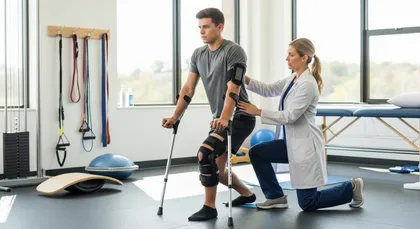
After a suspected ACL tear, the first priority is always medical care. Delaying evaluation can make a bad situation worse, especially if there is instability, swelling, or additional meniscus damage. But once the athlete is safe and being treated, the next steps matter too. Families should think about recovery, documentation, communication, and whether the circumstances deserve a closer look.
How to protect health and a future claim
Start by following medical guidance closely. That includes imaging, orthopedic follow-up, physical therapy, and activity restrictions. Athletes often want to return quickly, but pushing too soon can increase the chance of further injury. Parents should also keep organized records of every diagnosis, bill, appointment, prescription, and rehab recommendation. A complete paper trail helps both medical recovery and any future insurance or legal issue.
Document the incident, conditions, and response
If the injury happened at school, in club sports, or during supervised training, document as much as possible. Save photos of the surface, the footwear used, the location of the incident, and any visible swelling or bracing. Write down what drill or play was happening, whether the athlete had complained of pain earlier, how coaches responded, and whether emergency action was taken. If there is video, preserve it immediately.
This step matters because memories get weaker fast. A coach may later describe the event differently. A facility may fix a dangerous surface condition. A team may claim a return-to-play decision was medically cleared when the records show otherwise. Clear documentation protects the athlete from being left with a one-sided version of events.
Families should also be cautious with insurance communications. Even when fault seems obvious, insurers may still challenge the seriousness of the injury, argue that the risk was inherent in sports, or downplay how the athlete’s future participation was affected. A rushed settlement can leave a family covering long-term costs that were not fully understood at the beginning.
At the same time, prevention should not be ignored. Programs that invest in proper warm-ups, landing mechanics, strength training, rest, and athlete monitoring are far better positioned to reduce serious knee injuries. That is one reason resources from trusted medical organizations matter. The AAOS ACL guide gives a useful overview of ACL injury basics, symptoms, and treatment considerations. Coaches and parents who take prevention seriously are not being overly cautious. They are being realistic.
ACL injuries in female athletes are getting more attention because too many people now recognize the same pattern: the injury is common, the recovery is demanding, and the consequences can affect far more than one season. For families, the smartest response is not panic. It is action. Get the injury evaluated. Follow treatment carefully. Preserve evidence. Ask questions about supervision and safety. Then keep learning through the Athletic Injuries blog, review the broader information on the main site, and reach out through the contact page if you need help understanding what happened next.